If you’ve spent more than five minutes in a classroom, you’ve met these kids.
The student who shuts down the moment a deadline is mentioned.
The one who bursts into tears or yells when something small goes wrong.
The child who lashes out when they’re overwhelmed.
Different behaviours, same root cause: they haven’t yet developed the executive functioning skills needed for emotional regulation.
And this can happen for so many reasons – trauma, chronic stress, neurodivergence, or simply a lack of learned strategies at home. But regardless of the “why,” one thing remains true:
We can teach emotional regulation… and it works best when we teach it explicitly.
One framework I’ve used successfully across year levels is inspired by the work of Dr. Dan Siegel – Name, Claim, Tame. In other words, a simple cycle of:
1. Labelling feelings
2. Acknowledging ownership of those feelings
3. Using strategies to regulate when needed
Below, I’m sharing how this looks in my own practice, and how you can embed it into your own classroom routines.
1. Make Morning Check-Ins Part of Your Routine
A solid emotional regulation routine starts before learning begins. Morning check-ins help students build emotional awareness and language long before they’re faced with challenges.
In my classroom, I rotate through several check-in activities so students stay engaged but still know exactly what to expect. One of their favourites? Meme check-ins. Students pick the image that matches their mood—simple, low-stress, and surprisingly insightful.
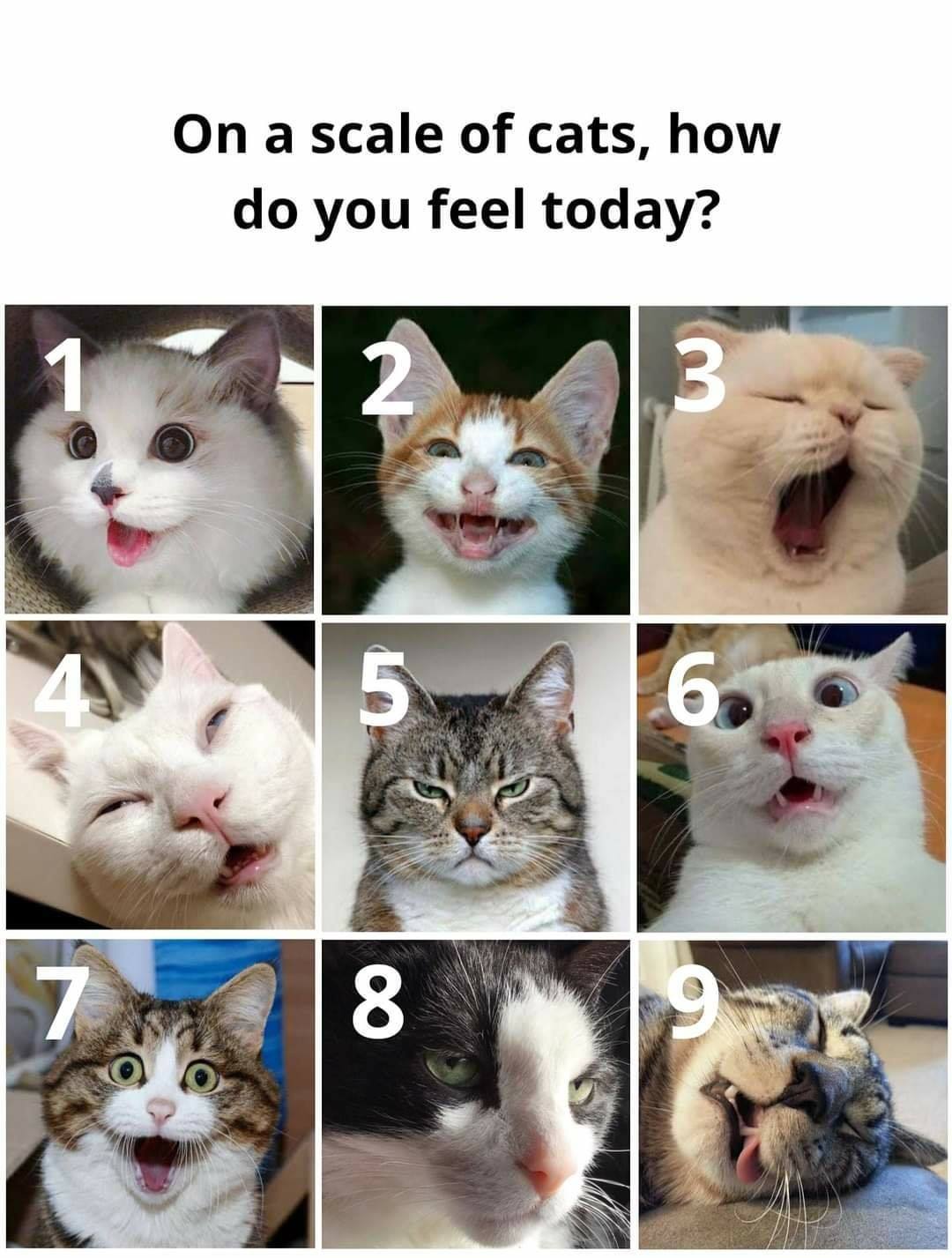
But fun aside, we also have to make space for more explicit emotional identification:
- Give students a feelings scale or zones chart
- Ask them where they are emotionally
- Then follow with:
- “What do you need today to feel better?”
- “What can your classmates do to support you?”
For younger learners, keep the language simple:
“What would cheer you up today?”
If multiple students check in low, that’s a great opportunity for a whole-class talk about coping strategies—getting water, using the calm corner, taking deep breaths, or whatever tools you’ve already established.
2. Add a Daily Check-Out to Your Afternoon Routine
Emotional regulation isn’t just for mornings. A two-minute check-out at the end of the day reinforces reflection and accountability.
After pack-up, I use a “thumb scale”:
👍 Up — great day
👌 Middle — okay
👎 Down — tough day
Next, I prompt:
- For middle or down:
“What’s one thing you can try tomorrow for a better day?” - For up:
“Look around. Who needs kindness? Check on someone showing middle or down.”
This builds empathy and community—two essential ingredients for emotional safety.
I also weave in daily shout-outs. At first I model them (“A shout-out to Jordan for helping a classmate today”), then transition to students offering them. This takes less than 10 minutes and requires zero printing or prep. And the payoff is big—connection, confidence, and collective care.
3. Make Everything Visual—Visuals Anchor Regulation
Here’s the truth: when students are overwhelmed, the upper brain goes offline. Language becomes harder. Logic becomes inaccessible.
Visuals cut through that overwhelm.
- A visual check-in scale
- Emotion posters
- Feelings cards for IEPs
- Thumbs-up/down systems
- Calm corner visuals
These tools help students name what’s happening internally, which is the first step toward taming those feelings.
One of my guiding principles is something I remind students of often:
“All feelings are welcome. All behaviours are not.”
Anger? Absolutely valid.
Hitting? Never acceptable.
When things go wrong, I help students connect the feeling to the behaviour:
“You felt frustrated by the worksheet, so you tore it. Next time you feel this way, you can quietly call me over and say you need help. Let’s practise that together.”
This is a technique widely used with highly traumatised young people in residential care—and it works remarkably well in primary classrooms too.
A Reminder: You’re Not Alone in This
Finally, remember if a student continually reacts to big feelings with aggression, violence, or unsafe behaviour, emotional regulation support cannot fall on you alone.
Document the incidents (factually).
Loop in leadership.
Partner with the family.
Involve the school counsellor or social worker.
Refer to additional therapeutic support where appropriate.
You are one piece of their support network—but you should never be the only piece.
Want Tools to Support Name, Claim, Tame?
Here are some of my original resources that align perfectly with these practices:
- Year-Long Resilience & Growth Mindset Journal
https://www.teacherspayteachers.com/Product/Year-Long-Resilience-Growth-Mindset-Student-Journal-Grades-68-112-Pages-14893329 - Emotional Regulation Go-To Plan (Whole-Class Activity)
https://www.teacherspayteachers.com/Product/Emotional-Regulation-Support-Plan-Lesson-Individualised-Easy-Go-To-Plan-13489809 - Name, Claim, Tame + Calm Breathing Posters
https://www.teacherspayteachers.com/Product/Name-Claim-Tame-Calm-Breathing-Posters-Emotional-Regulation-Support-14878699 - SEL Catastrophe Scale Poster
https://www.teacherspayteachers.com/Product/SEL-Classroom-Management-Catastrophe-Scale-Poster-with-15-Labels-13593818
References & Further Reading
Torre, J. B., & Lieberman, M. D. (2018). Putting feelings into words: Affect labeling as implicit emotion regulation. Emotion Review, 10(2), 116-124.
https://drdansiegel.com/mindsight
I wanted to create you this bit of remark to be able to give thanks yet again relating to the beautiful suggestions you have featured here. It is quite pretty open-handed of people like you to give openly all a lot of folks would’ve made available as an e-book to make some dough for themselves, particularly considering that you could have done it in case you wanted. These tips in addition acted to be the good way to be sure that other people have the same keenness really like my very own to know somewhat more on the topic of this matter. I am sure there are a lot more enjoyable situations up front for individuals who go through your blog post.
Thank you so much for your kind feedback, I am glad you enjoyed this post! I intend to keep this knowledge free for others to access, information is not useful if it is not shared!