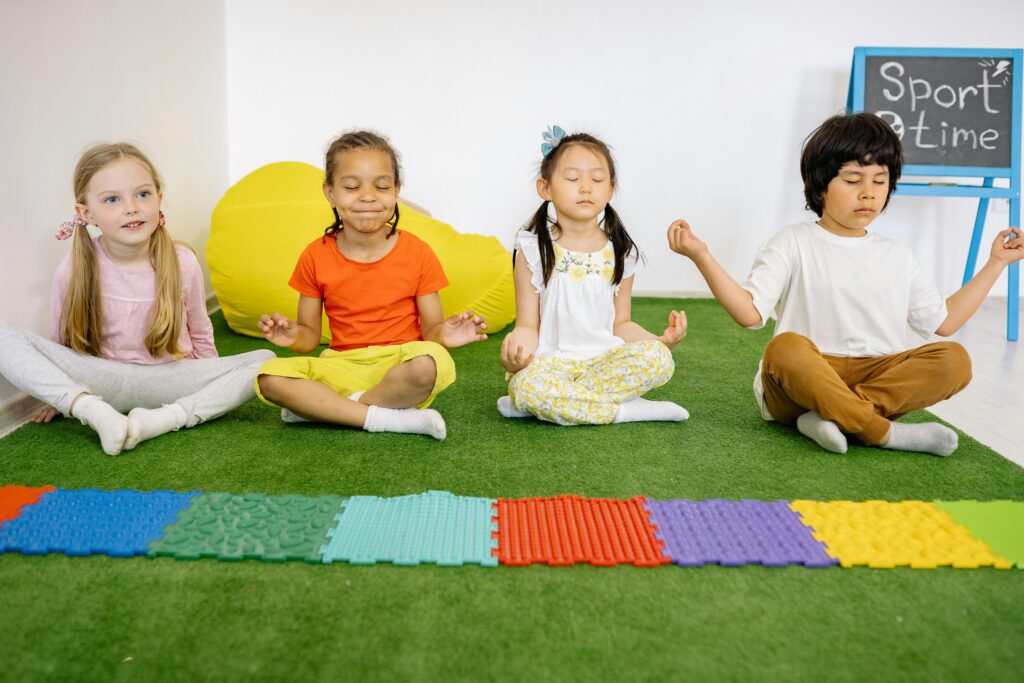
If your mornings sometimes feel chaotic, rushed, or a little bit… wobbly, you’re not alone. Students walk into our rooms carrying whatever happened before they got to school – sibling arguments, tiredness, sensory overload, excitement, or worries they don’t quite have words for yet.
One of the simplest ways to create a calmer, more grounded start to the day is to build morning mindfulness into your routine. It doesn’t need to be fancy. It doesn’t need to be perfect. And it absolutely doesn’t need to take long.
Here are seven reasons I truly believe every class can benefit from a few mindful minutes each morning—plus some ideas you can try tomorrow.
1. Nervous System Regulation Enables Learning
We all know that when students are dysregulated, learning feels almost impossible. If their bodies are in fight–flight–freeze mode, they literally can’t access the parts of the brain they need for thinking, reasoning, or listening.
Morning mindfulness is like giving their nervous systems a soft landing. A minute or two of breathing or grounding helps students settle into a regulated state—and that regulation is the foundation for everything else that happens in your room.
Try this:
Start with a simple 5–4–3–2–1 senses grounding activity. Students notice:
5 things they can see,
4 things they can feel,
3 things they can hear,
2 things they can smell,
1 thing they can taste.
It’s incredibly calming and takes less than a minute.
2. It Improves Focus
Focus isn’t something students automatically wake up with—it’s built through practice. Short mindfulness activities strengthen their ability to hold attention, ignore distractions, and transition into learning tasks smoothly.
After a few weeks, you’ll notice students settle faster, listen better, and stay engaged for longer.
Try this:
Play a 2–5 minute YouTube mindfulness meditation designed for kids. There are lovely guided ones for breathing, stillness, or visualisation.
Or, use any 4K Nature Video and have students watch it silently, uninterrupted for 5 minutes – there’s tropical island drone footage, the aurora borealis, waves crashing over a beach, or beautiful coral reefs.
3. It Improves Memory and Supports Cognition
A calm brain is a thinking brain. When students take a few minutes to slow down and breathe, their working memory gets a boost. That means they’re better at following instructions, taking in new information, and remembering what they’ve learned.
This is especially helpful for students who struggle with cognitive load or overwhelm.
Try this:
After mindfulness, ask a quick reflection question like, “What’s one thing your brain feels ready for today?” It helps anchor their focus.
4. It Supports Upset or Trauma-Impacted Learners to Regulate
Not all students arrive at school from calm homes or predictable routines. For trauma-impacted learners, mornings can be particularly challenging. Mindfulness offers a safe, predictable moment that signals: You’re safe here. You can settle. You can breathe.
Those first few minutes can shift their entire day.
Try this:
Keep a consistent, gentle routine. Use the same mindfulness song or breathing practice each morning so they know what to expect.
5. It Helps Kids Navigate Difficult Emotions
Kids feel big things—and they often feel them all at once. Mindfulness teaches them to notice what’s happening inside without reacting straight away. This little pause gives them the space to choose a more helpful response.
Over time, you’ll see fewer emotional explosions and more students using strategies independently.
Try this:
Introduce a “name it to tame it” moment:
“I notice my chest feels tight.”
“My thoughts are busy.”
“My tummy feels wiggly.”
Labeling emotions reduces their intensity.
6. It Supports Overall Wellbeing
Mindfulness isn’t just for emergencies—it’s for everyday wellbeing. It boosts mood, builds resilience, and helps students develop habits they can use long after they leave your class.
It’s a small practice with long-term impact.
Try this:
Offer mindful colouring while playing calm music. It’s especially good on days when students arrive extra chatty or tense.
7. It Gives Your Class a Strong-But-Calm Start to the Day
Instead of diving straight into tasks or dealing with emotional leftovers from home, mindfulness creates a calm, predictable start. You’re sending the message:
“We start our day with intention. We begin together.”
Those few minutes can shift the energy of your whole classroom—for you and your students.
Try this:
Set a consistent routine: lights dimmed, calm music, a short breathing exercise, then a gentle transition into the first lesson.
Final Thoughts
You don’t need to be an expert in mindfulness to make a difference. You just need a few minutes, a predictable routine, and a willingness to slow down the pace of the morning.
Your students will feel the shift – and honestly, so will you.
References/Further Reading
https://focusedkids.org/understanding-nervous-system-regulation
https://www.berrystreet.org.au/news/integrating-mindfulness-and-the-body-at-school