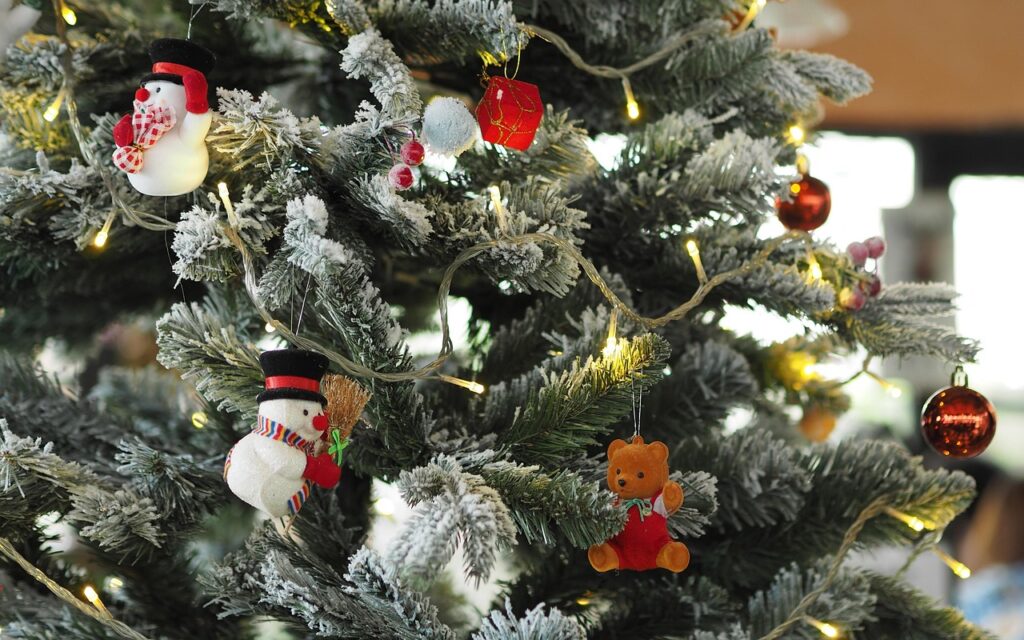
For many schools, the final weeks of the year are filled with glitter, carols, countdown calendars, and well-meaning activities designed to celebrate “the most wonderful time of the year.” For most students, this season brings joy, excitement, and anticipation.
But for others, Christmas feels heavy.
In every classroom, there are students who don’t seem to catch the Christmas spirit. They appear withdrawn, irritable, disengaged, or resistant to festive activities. Too often, their responses are minimised or joked about – they’re labelled “grinchy,” “ungrateful,” or “over it.”
The truth is, for some children, Christmas isn’t joyful.
It’s a reminder of loss, instability, separation, or stress.
Why Some Students Struggle at Christmas
The holiday season can amplify existing challenges, particularly for students already carrying adversity. While Christmas is marketed as a time of togetherness and abundance, many children experience the opposite.
Some students may be:
- Living in out-of-home care, unable to see their parents or siblings during the holidays. Even when foster carers are doing their best, the grief and loss associated with separation can intensify at this time of year. Reaching out to carers to understand what support might help the child participate safely can make a meaningful difference.
- Experiencing homelessness or housing instability, where Christmas only happens if families can access support through organisations like Foodbank or community charities. Some families spend Christmas in cars, motels, or temporary accommodation. If you’re aware of this, checking in with the school counsellor or social worker is essential.
- Living with domestic or family violence, which is known to escalate during periods of financial pressure, alcohol use, and heightened stress – particularly around the festive season.
- Migrants or refugees, living far from extended family, cultural traditions, and familiar celebrations. Christmas may highlight distance, isolation, or cultural disconnection rather than joy.
For these students, the nervous system is not primed for celebration. It is primed for survival.
A Neuroscience Lens: Why Festive Pressure Can Backfire
When students are exposed to constant reminders of “happiness” they don’t feel, their sense of difference and shame can deepen. The brain perceives this mismatch as threat.
From a trauma-aware and neuroscience-informed perspective, heightened expectations, noise, unpredictability, and emotionally loaded activities can activate the amygdala – reducing access to the prefrontal cortex where reflection, flexibility, and joy actually live.
This is why some students appear resistant or dysregulated during festive activities.
Their behaviour isn’t defiance.
It’s protection.
What Trauma-Aware Support Looks Like at Christmas
Supporting students through the end of the year doesn’t mean cancelling celebrations. It means approaching them with flexibility, compassion, and choice.
Here are trauma-aware strategies that align with principles of connection, regulation, and collaboration:
1. Lead With Relationship, Not Assumption
A quiet check-in – “How are you finding this time of year?” – can be powerful. You don’t need all the details. You just need to signal safety and care.
2. Offer Choice in Festive Activities
Choice restores a sense of control. Allow students to opt into alternative tasks, quiet activities, or non-themed work without drawing attention or judgement.
3. Prioritise Regulation Before Celebration
Use calming routines, predictable schedules, and regulation strategies before high-energy activities. Remember: regulated brains are more capable of engaging.
4. Normalise Mixed Feelings
Explicitly acknowledge that holidays can bring many emotions – not just happiness. This validates students’ experiences and reduces shame.
5. Collaborate With Carers and Support Staff
For students in care or experiencing hardship, collaborate with foster carers, families, counsellors, and support staff to ensure school-based activities align with what’s happening at home.
6. Create Safe Opt-Out Spaces
Quiet rooms, calm corners, or breakout spaces that are not themed (i.e. remain exactly the same regardless of the season) allow students to step away from overstimulation without punishment. These spaces communicate safety, not exclusion.
7. Keep Expectations Gentle
The end of the year is cognitively and emotionally demanding. For some kids, the lights, music, costumes, and increased social expectations are also just too much. Adjust workloads, reduce unnecessary pressure, and remember that engagement may look different right now.
A Reminder for Educators
Christmas can magnify joy – but it can also magnify loss.
When we approach the season through a trauma-aware lens, we stop asking, “Why won’t this child participate?”
and start asking, “What might this child be carrying right now?”
Sometimes the most powerful support we offer isn’t festive cheer, but quiet understanding, flexibility, and presence.
For some students, that might be the safest gift they receive this season.
References/Further Reading
Brunzell, T. (2021). Trauma-aware practice and positive education. In The Palgrave handbook of positive education (pp. 205–223). Cham: Springer International Publishing.
Connley, G. (2024, December 19). There’s nothing naughty about being poor. Why Christmas is a horrible time for kids living in poverty. The Australia Institute. https://australiainstitute.org.au/post/theres-nothing-naughty-about-being-poor-why-christmas-is-a-horrible-time-for-kids-living-in-poverty/
Milburn, N. G., Stein, J. A., Lopez, S. A., Hilberg, A. M., Veprinsky, A., Arnold, E. M., … & Comulada, W. S. (2019). Trauma, family factors and the mental health of homeless adolescents. Journal of Child & Adolescent Trauma, 12(1), 37–47.
https://www.betterhealth.vic.gov.au/health/healthyliving/christmas-can-be-stressful