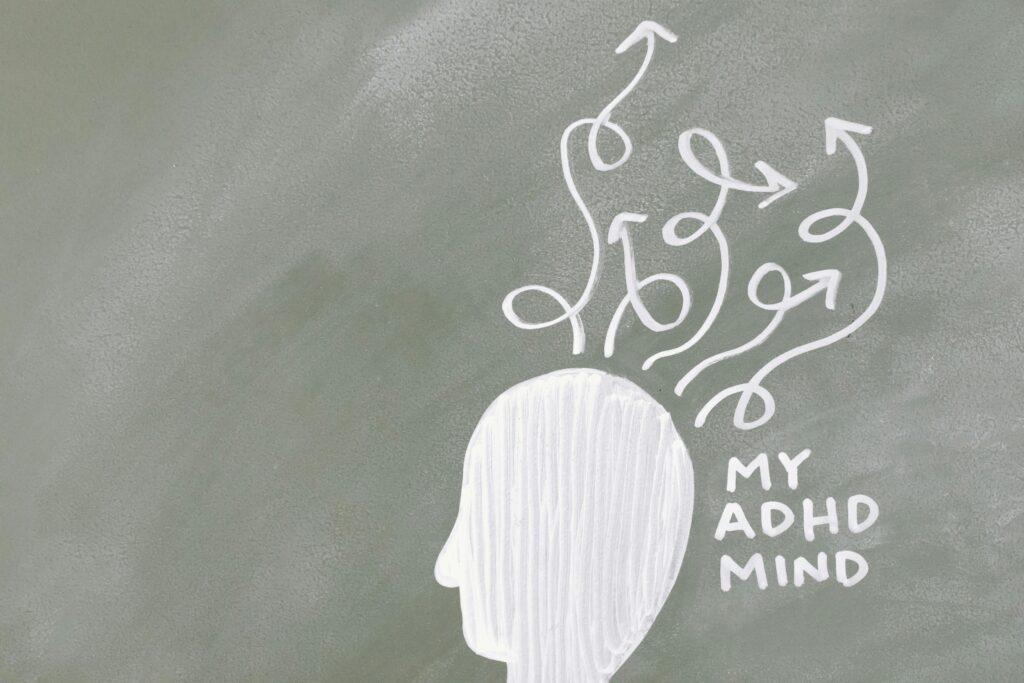
If you’ve ever taught a student with ADHD, you know their brains work just a little…differently. But here’s the thing: so does mine.
Being AuDHD-diagnosed, I understand ADHD from both sides — as the student I once was and the educator I am now. Our brains are fast, creative, intuitive, and energetic… but they’re also wired differently. We need to work with that wiring instead of against it.
Here are five practical, brain-friendly strategies you can start using tomorrow.
1. ADHD’ers Are Sprinters, Not Marathon Runners
Long, sustained tasks are the enemy of ADHD focus. These students work best in short, intense bursts, followed by something that lets the brain reset.
Try giving:
- 10–15 minutes of focused work, then
- a movement-based brain break (stretching, wall push-ups, a classroom job, a quick walk)
These tiny resets do wonders for attention, motivation, and emotional regulation.
Remember: It’s not about stamina. It’s about rhythm.
2. Use Visual Timers (Seriously, They’re Magic)
ADHD brains struggle with time blindness — the sense that time either doesn’t exist, or it all happens at once. A visual timer externalises time, which helps students understand how much they have left without constantly asking.
What works well:
- YouTube timers with calming music
- Large, visual countdowns on the board
- Sand timers for shorter chunks
This removes the anxiety of the unknown and gives students a clear start and finish point.
3. Give Classroom Helper Roles That Allow Movement
Movement isn’t a distraction — it’s a regulation strategy. Many ADHD students focus better when their bodies get to move in small, purposeful ways.
Some ideas:
- Office messenger
- Delivering class notes
- Watering plants
- Passing out resources
- Tech monitor
These jobs channel hyperactivity into something productive and reduce behaviour issues that come from needing to move but having nowhere for that energy to go.
4. Allow Alternative Interpretations of the Task
ADHD brains are creativity machines. They often process information in nonlinear, imaginative ways. Instead of forcing every student to complete the task the same way, focus on the learning intention, not the format.
For example:
- Instead of a written paragraph → let them record a voice memo
- Instead of a poster → allow a comic strip or a model
- Instead of summarising a text → let them create a flow chart or storyboard
When students feel ownership, engagement skyrockets.
5. Explicitly Teach Emotional Regulation Strategies
ADHD students often feel emotions big and fast. They need more than reminders — they need direct teaching, modelling, and practice.
Try integrating:
- Deep breathing or square breathing
- 5–4–3–2–1 grounding
- Regulation tools like fidgets, colouring, quiet corners
- Scripts like “Name it to tame it”
- Daily mindfulness
- Sentence starters for expressing feelings
When students understand what’s happening in their bodies, they can respond with skill instead of overwhelm.
Final Thoughts
Supporting students with ADHD isn’t about making them fit the classroom — it’s about reshaping the classroom to fit how their brains work. When we understand their wiring, we unlock their brilliance.
If you’d like more strategies and brain-friendly explanations you can use immediately, check out my resource:
👉 Teacher’s Guide to ADHD: Strengths, Classroom Presentation, Practical Supports
(You can find it here: https://www.teacherspayteachers.com/Product/Teachers-Guide-to-ADHD-Strengths-Classroom-Presentation-Practical-Supports-14220591)
It’s full of simple, science-backed insights that will help you support your ADHD learners with confidence and compassion.